No chlamydia detected in Sugarloaf-Stockrington koalas as population estimate tops 2,300
 University of Newcastle newsroom
(University of Newcastle newsroom)
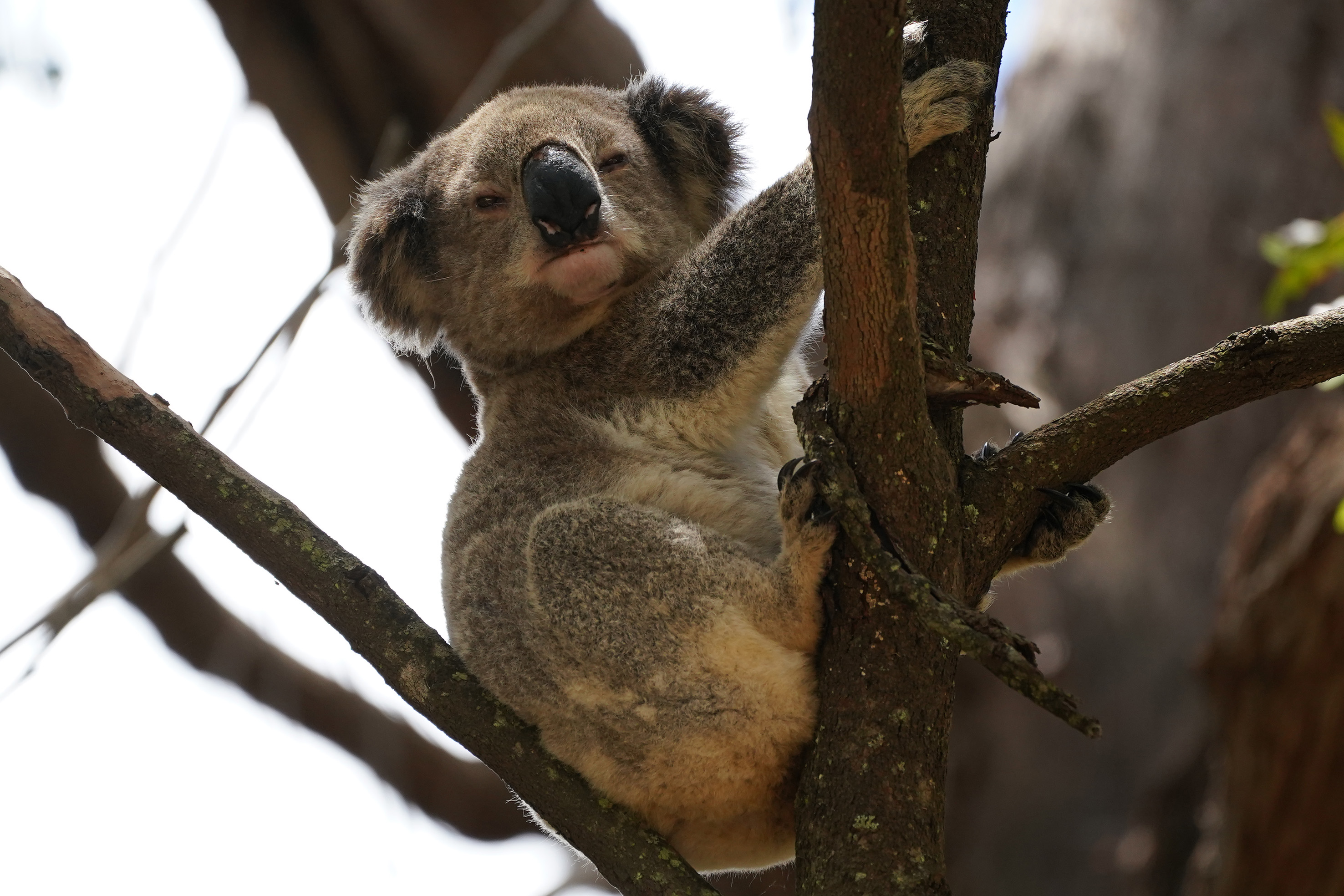
Newy 87.8 FM – A University of Newcastle-led report has found no evidence of chlamydia in wild koalas tested in the Sugarloaf-Stockrington area, with the population far larger than previously understood.
Updated modelling estimates 2,337 koalas across a 23,900-hectare study area in the broader western Lower Hunter landscape.
Researchers found no evidence of chlamydia infection in samples from 27 wild koalas. A review of wildlife rescue and clinical records found no confirmed cases among a further 27 koalas from within 30 kilometres of the population.
Lead researcher Dr Ryan Witt said the finding was "an extraordinary result" and suggested chlamydia is either absent or occurring at very low levels.
Chlamydia can cause blindness, infertility and death in koalas, and has been confirmed in koala populations neighbouring the Lower Hunter.
Researchers used thermal-imaging drones to locate koalas before collecting fresh scats, which were tested at specialist laboratories at the University of Sunshine Coast.
Genetic results showed low genetic diversity and high levels of relatedness, indicating the koalas have likely been isolated for quite some time. Dr Witt said maintaining connections between habitat areas will be important for the population's long-term resilience.
Rescue data from Hunter Wildlife Rescue and Port Stephens Koala Hospital identified road accidents as the leading cause of trauma, accounting for 38 of 61 documented rescues.
The project was funded by WIRES and the NSW Department of Climate Change, Energy, the Environment and Water, with in-kind support from NSW National Parks and Wildlife Service.
Join the discussion on Facebook.