Hunter researchers explain the brain science behind fear this Halloween
 Hunter Medical Research Institute
(Hunter Medical Research Institute)
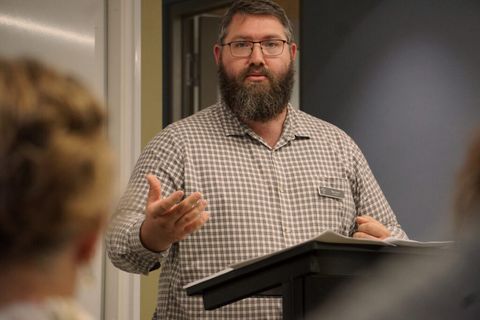
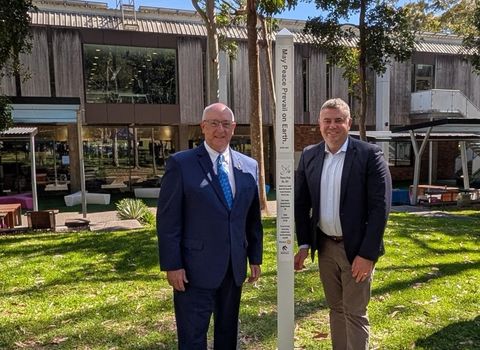
Newy 87.8 FM – Hunter Medical Research Institute (HMRI) Brain Health researcher Dr Jacqueline Iredale and Finn Thomas from the University of Newcastle have broken down the science behind fear for Halloween.
Dr Iredale said fear initiates the fight or flight response, an involuntary survival mechanism that kicks in against danger, "whether that's real or perceived".
Finn said the amygdala rapidly evaluates sensory input for potential danger, while the hypothalamus and brainstem trigger autonomic changes.
Physical reactions can include an increased heart rate, faster breathing, higher blood pressure, sweating, trembling and nausea, Dr Iredale said.
Goosebumps occur when adrenaline and noradrenaline cause tiny muscles attached to hair follicles to contract, a reflex called piloerection.
Dr Iredale described it as a leftover evolutionary response intended to make furry animals look larger and more intimidating to predators.
As for why some people enjoy horror films or haunted houses, Dr Iredale said the answer partly lies in knowing the threat isn't real.
She said the adrenaline rush can be enjoyable due to the overlap between fear and excitement, while some people seek the relief that comes when the fear passes.
The researchers also explained sleep paralysis, which occurs when someone becomes conscious while the muscle paralysis of REM sleep is still present.
Finn said the brain struggles to explain the mismatch and constructs a narrative, often a hostile figure or "demon".
Join the discussion on Facebook.